Primer
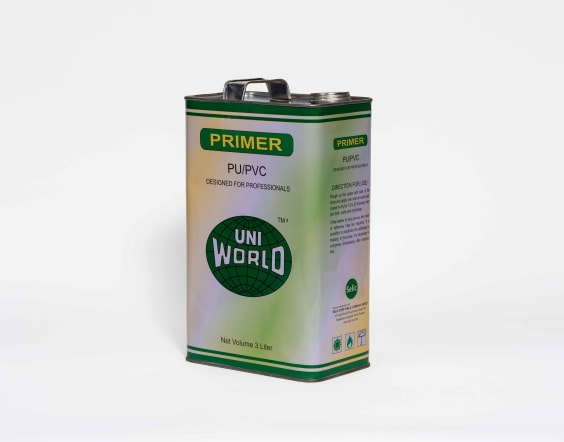
Primer
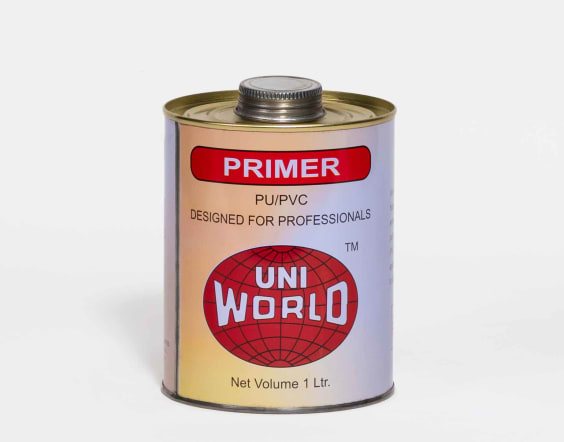
A primer, in the context of adhesives, is a preparatory substance applied to a surface before the application of an adhesive. The purpose of a primer is to enhance the adhesion between the substrate (the surface being bonded) and the adhesive. Primers are especially useful when bonding difficult-to-bond substrates or when strong and durable bonds are required.
Description:
Here are some key points about primers in adhesive applications:
Promoting Adhesion: Primers improve the bonding strength between the adhesive and the substrate by promoting molecular adhesion. They achieve this by cleaning the surface, removing contaminants, and providing a chemically reactive layer for the adhesive to adhere to.
Surface Preparation: Before applying a primer, it's important to properly clean and prepare the surface to ensure optimal adhesion. This may involve removing any dirt, grease, or other contaminants that could interfere with bonding.
Types of Primers: Primers can vary depending on the type of adhesive being used and the substrate material. Some common types of primers include solvent-based primers, water-based primers, and primerless adhesives that have built-in priming properties.
Application Methods: Primers are typically applied using methods such as brushing, spraying, or dipping. The specific application method may vary depending on the size and shape of the substrate and the requirements of the adhesive.
Compatibility: It's important to ensure that the primer selected is compatible with both the substrate material and the adhesive being used. Using an incompatible primer could lead to poor adhesion or other bonding issues.
Curing Time: After applying the primer, it typically needs to cure for a certain period of time before the adhesive is applied. This allows the primer to form a stable, reactive surface for bonding.
In summary, primers play a crucial role in adhesive bonding by preparing the substrate surface and improving the adhesion between the substrate and the adhesive. They are particularly useful in challenging bonding applications where strong and reliable bonds are essential.